Roman Triari
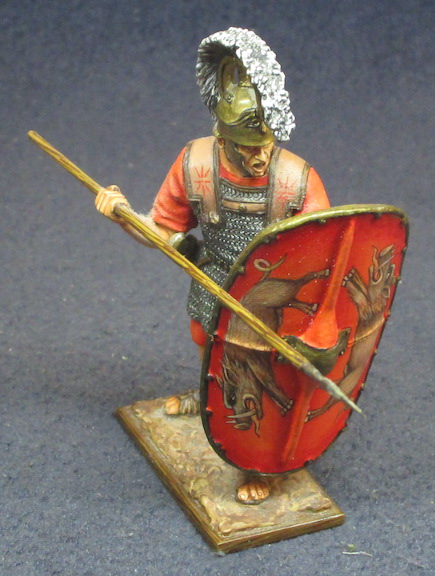
During the Camillan era, they fought in a shallow phalanx formation, supported by light troops. In most battles triarii were not used because the lighter troops usually defeated the enemy before the triarii were committed to the battle. They were meant to be used as a decisive force in the battle, thus prompting an old Roman saying: res ad triarios venit, 'it comes down to the triarii', which meant carrying on to the bitter end.
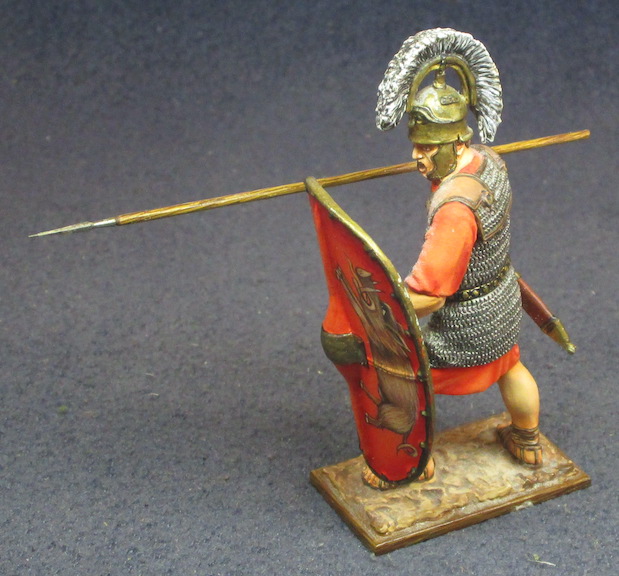
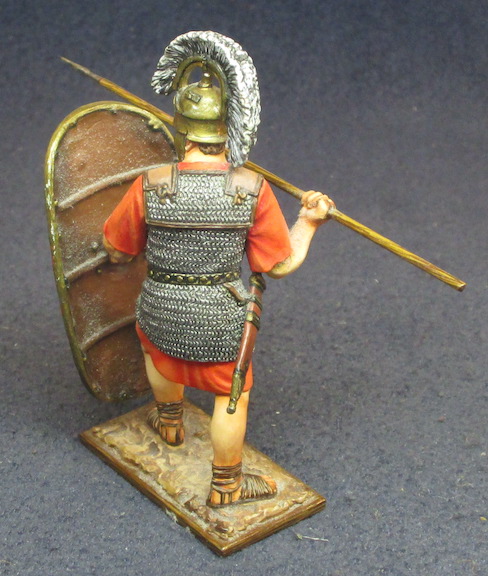
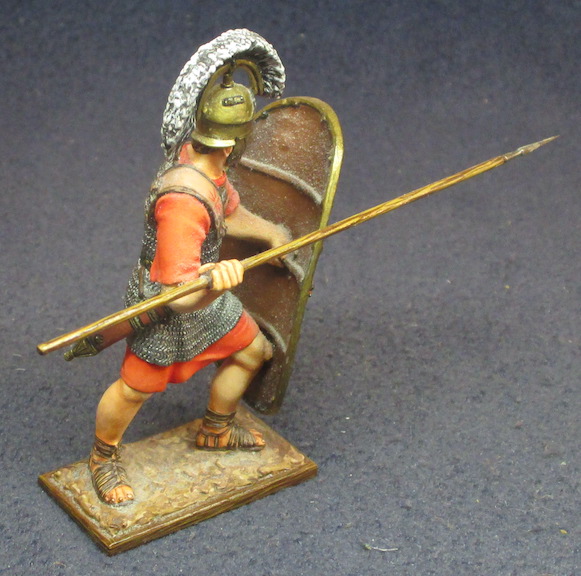
By the time of the Second Punic War of the late 3rd century BC, this system had proved inefficient against enemies such as Carthage. After a series of more "organic" changes as opposed to a single intentional reform, a new system gradually came into being. Infantry were sorted into classes according to age and experience rather than wealth, the triarii being the most experienced. Their equipment and role was very similar to the previous system, except they now carried scuta, large rectangular shields that offered a greater degree of protection than the old round clipeus.
 Up
Up